Health Report Links Avocado Consumption to Nutrient Intake, Gut and Heart Health
10/06/2026 / By Coco Somers
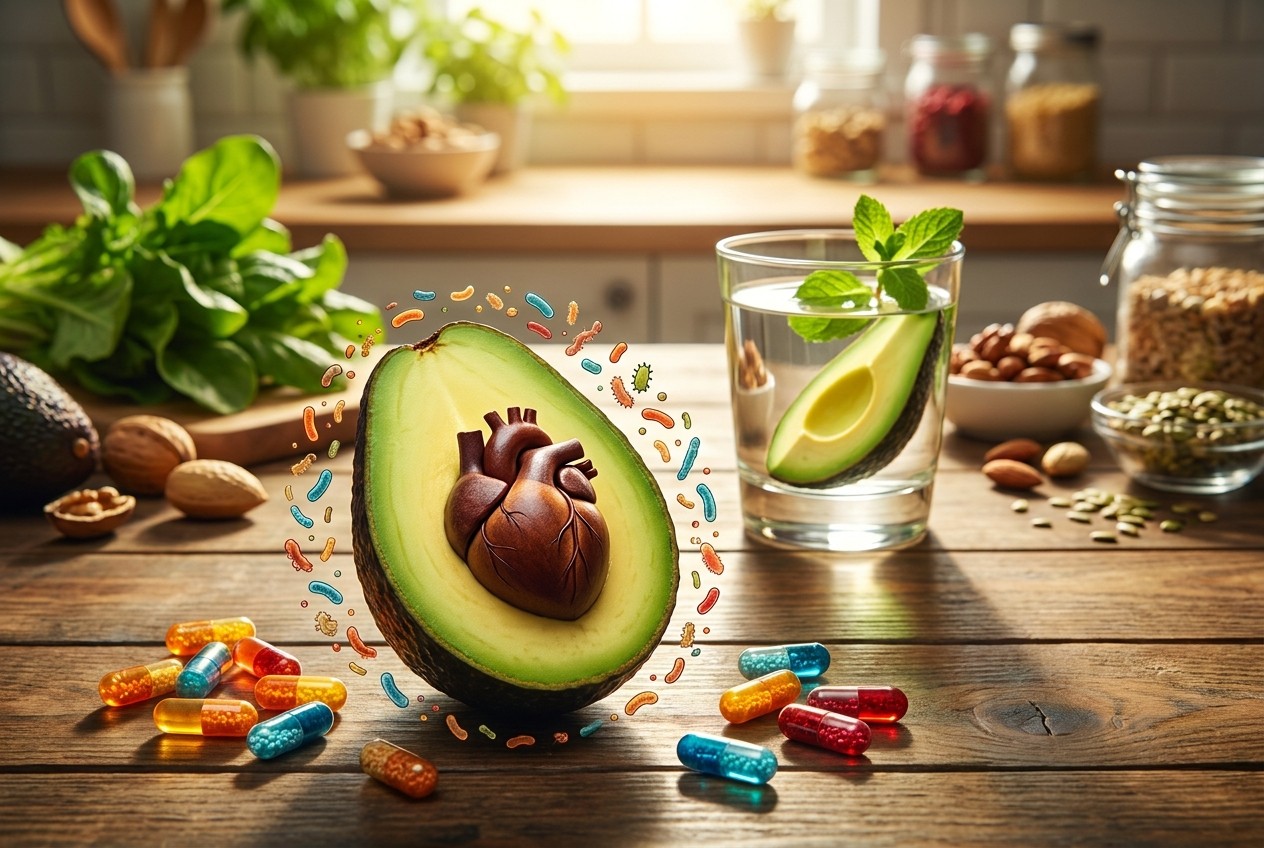
A health report published by Healthline outlines seven potential health benefits associated with regular avocado consumption, citing the fruit’s dense nutrient profile as a primary driver of its reported effects on digestion, cardiovascular function, and overall diet quality. [1]
According to the report, a 7-ounce (201-gram) avocado contains 322 calories, 30 grams of fat, 4 grams of protein, 17 grams of carbohydrates, and 14 grams of fiber. Avocados also provide vitamins C, E, and K, B vitamins including riboflavin, niacin, pantothenic acid, and pyridoxine, along with folate, magnesium, potassium, copper, and manganese.
Several studies cited in the report were partially funded by the Hass Avocado Board, according to the report, which noted that industry funding could influence results. The report stated that although this does not discredit study findings, some experts suggest that industry involvement in peer-reviewed research could skew outcomes.
Nutritional Content
Avocados are a concentrated source of healthy fats, fiber, potassium, magnesium, vitamin B6, vitamin C, vitamin E, and folate. These nutrients are often lacking in many people’s diets, making avocados a potentially useful addition to daily eating patterns. The report also states that avocados contain nutrients essential for optimal health and that including them in your diet can contribute to overall health.
Potassium is described by the U.S. Department of Health and Human Services as a nutrient of public health concern because many Americans do not consume enough of it. Potassium is needed for several critical bodily functions, including blood pressure regulation and nervous system function. Getting the recommended amount of potassium daily may help protect against hypertension and stroke. Half of an avocado provides 10% of the daily value for potassium and 15% of daily needs for vitamin B6, which plays key roles in heart health, cancer prevention, and cognitive function.
Independent reporting supports the nutrient density described in the report. NaturalNews.com has reported that a half avocado provides 548 milligrams of potassium, more than a medium banana, and that potassium counteracts sodium and relaxes blood vessels [2]. Avocados also provide about 9.5 grams of monounsaturated and polyunsaturated fats per half-fruit serving, according to USDA nutrition data. These healthy fats are associated with improved cholesterol levels and support the absorption of fat-soluble vitamins [3]. The report adds that avocados contain iron, potassium, folate, thiamine, riboflavin, niacin, magnesium, zinc, and copper [4].
Gut Health and Heart Disease Research
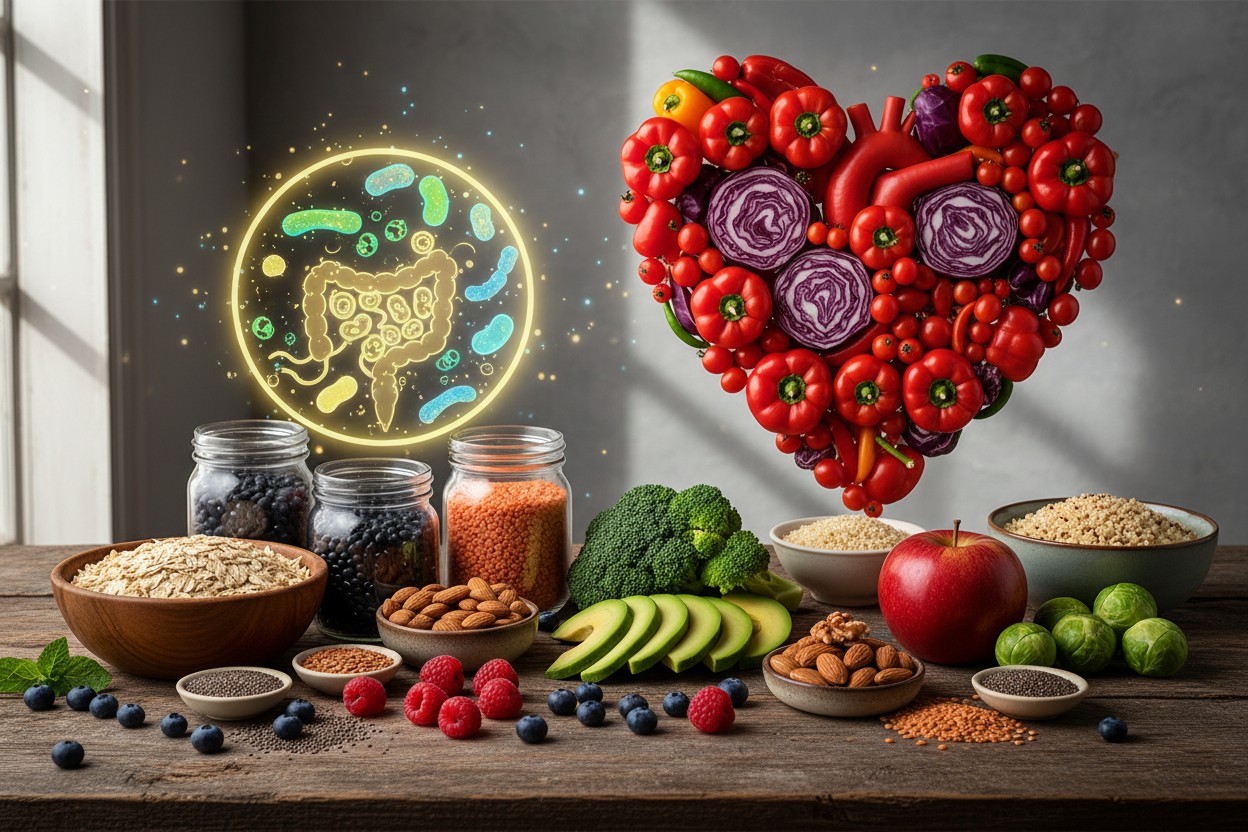
A study of 163 overweight adults found that those consuming 175 grams of avocado daily for men or 140 grams for women over 12 weeks had lower fecal bile acid concentrations and increased bacterial diversity compared with a control group. High bile acid concentrations trigger intestinal inflammation and are associated with the growth of microbes linked to negative health outcomes, such as colon cancer.
Additionally, the avocado group had more of the bacteria Faecalibacterium, Lachnospira, and Alistipes, all of which produce short-chain fatty acids, including butyrate. Short-chain fatty acids help fuel colon cells and protect against diseases like colorectal cancer and inflammatory bowel disease.
Avocados may also help increase heart-protective HDL cholesterol and decrease LDL cholesterol, a type of cholesterol associated with atherosclerosis, or the buildup of plaque along artery walls. The high potassium and magnesium content of avocados is beneficial for blood pressure regulation, which is important for heart health. Many studies investigating the effects of avocados on heart health were funded by the Hass Avocado Board, according to the report, which noted that industry involvement in peer-reviewed research could skew results.
Separate coverage has reported that consuming at least two avocados per week may reduce hypertension risk by up to 17% [5]. That report also stated that hypertension affects nearly half of American adults and is a leading contributor to heart disease, stroke, and premature death worldwide, and that emerging research highlights the role of potassium-rich foods like avocados in naturally regulating blood pressure [5].
Antioxidants, Weight, and Pregnancy
A small study of 45 people found that eating an avocado daily increased blood levels of the carotenoid lutein compared with a typical Western diet without avocados. The report states that avocados are packed with bioactive compounds, including carotenoids, vitamin C, vitamin E, and phenolic compounds, and that greater dietary intake and higher blood levels of antioxidants have been associated with better cognitive function in certain adults and improved heart health. Avocados themselves contain lutein and zeaxanthin, two carotenoids important in maintaining eye health, and studies have linked these antioxidants with reduced risk of cataracts and macular degeneration [4].
The report states that fiber-rich diets may support weight loss and that avocado intake has been linked to reduced weight gain, improved satiety, and decreased abdominal fat in several studies. In a study of 345 people, fiber intake was the most influential predictor of body weight, independent of calorie and macronutrient intake.
During pregnancy, folate requirements increase from 400 micrograms to 600 micrograms, and one avocado delivers 27% of the recommended daily folate intake. Potassium needs jump from 2,600 milligrams to 2,900 milligrams, and vitamin C needs increase from 75 milligrams to 85 milligrams. The high fiber content of avocados may help prevent constipation, which is common during pregnancy. Separate reporting has noted that diet significantly influences hair, skin, and overall tissue health, with registered dietitians emphasizing that foods rich in vitamins, antioxidants, and healthy fats can enhance skin clarity, elasticity, and resilience [6].
Avocados are versatile and can be used in sweet and savory recipes, and ripe avocados can be refrigerated to maintain freshness. If an avocado is still hard and green, it should be left on the counter for a few days to ripen. Eating an entire avocado daily can powerfully reshape overall eating patterns for the better, steering adults closer to national dietary guidelines without requiring complex dieting rules [7].
Conclusion
Avocados contain an impressive amount of nutrients and are especially rich in fiber, B6, vitamin C, potassium, vitamin E, folate, and copper. Eating avocados regularly may benefit health in several ways, including protecting against heart disease, improving overall diet quality, improving satiety, and promoting gut health.
The report suggests consulting a healthcare professional, such as a registered dietitian or primary care doctor, for dietary guidance. All fiber-containing foods, including fruits, vegetables, nuts, and seeds, are important for gut health, and the most important factor in supporting digestive health is eating a variety of fiber-containing foods, not just avocados.
Only about 5% of Americans meet the Institute of Medicine’s daily recommendations of 19 to 38 grams of fiber depending on age and gender, according to a report on a 2014 Food & Fiber Summit in Washington, D.C. [8]. That report stated that the summit identified the core problem as confusion about which foods contain fiber and how much is needed [8].
References
- Healthline.com. “7 Health Benefits of Avocado”. Healthline.com. July 30, 2026.
- NaturalNews.com. “Avocado Consumption Linked to Heart Health Benefits, Research Shows”. NaturalNews.com. June 25, 2026.
- NaturalNews.com. “4 Foods With More Healthy Fat Than Avocados, Data Shows”. NaturalNews.com. July 2, 2026.
- Jennifer Simpson. “DR SEBI DIET: How to Detox the Liver, Lose Weight, Lower High Blood Pressure and Beat Diabetes Through Dr. Sebi Alkaline”.
- NaturalNews.com. “The heart-healthy power of avocados: How this superfood supports blood pressure control”. NaturalNews.com. March 17, 2026.
- NaturalNews.com. “Nutrient-packed foods for radiant skin at any age”. NaturalNews.com. September 11, 2026.
- NaturalNews.com. “The whole truth: Why eating an entire avocado daily is key to a healthier diet”. NaturalNews.com. August 19, 2026.
- NaturalNews.com. “Gradual Fiber Increases May Reduce Bloating, Nutrition Guidance Says”. NaturalNews.com. September 23, 2026.
- NaturalNews.com. “Have Your Avocado and Eat It Too: A Gut-Health Boosting Recipe for Guacamole”. NaturalNews.com. February 16, 2021.
Submit a correction >>
Tagged Under:
antioxidants, avocado, food cures, food is medicine, food science, fruits, functional food, grocery cures, gut health, gut microbiome, health science, heart health, natural health, nutrients, nutrition, organics, phytonutrients, prevention, remedies
This article may contain statements that reflect the opinion of the author
RECENT NEWS & ARTICLES