Beyond Kombucha: A Guide to Probiotic-Rich Fermented Drinks
06/07/2026 / By Coco Somers
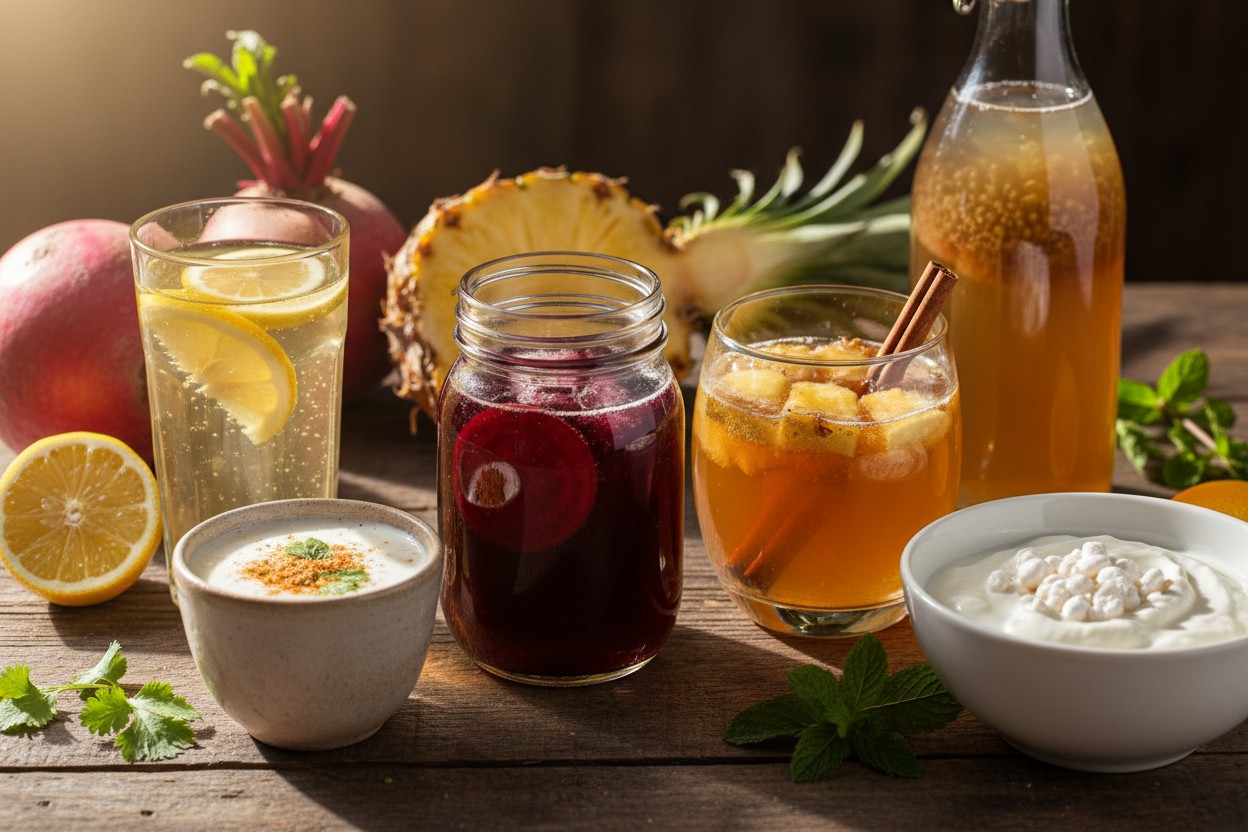
Kombucha has become widely available, but a range of other fermented beverages offer similar probiotics, according to a growing body of nutritional science.
Emerging research highlights fermented and polyphenol-rich beverages as tools for supporting gut microbiome diversity and digestive health, according to a March 2026 article on NaturalNews.com [1]. Drinks like kefir, yogurt-based lassi, and beet kvass introduce beneficial probiotics and compounds that can reduce gut inflammation, the article stated.
Health experts are now advocating for a class of beverages that actively cultivate a resilient gut microbiome, according to a March 2026 report on NaturalNews.com [12]. The report noted that the gut is considered a cornerstone of overall wellness, influencing immunity and mental health. Whitney Bowe, author of “The Beauty of Dirty Skin,” stated that the ideal way to ingest a healthful, diverse array of beneficial bacteria is to obtain them from wholly natural sources such as fermented drinks including kefir and kombucha [8].
Kefir: A Cultured Dairy Drink with a Long History
Kefir is produced by fermenting milk with kefir grains, symbiotic cultures of bacteria and yeasts. According to a 2022 article on Mercola.com, fermented foods are gaining recognition as an important adjunct to a healthy diet, and the beneficial bacteria found in fermented foods have been shown to be particularly effective [3]. Kefir typically contains a broader array of microbial strains than yogurt, which may contribute to digestive health.
Water kefir offers a non-dairy alternative for those avoiding milk. According to Molly Morgan in her book Drink Your Way to Gut Health, individuals do not need to spend a fortune to start making their own probiotic-rich beverages at home, and many necessary supplies are likely already on hand [5].
Raquel Guajardo and Alex Lewin, authors of Kombucha Kefir and Beyond, provide recipes and guidance for preparing kefir at home [7]. Homemade kefir allows control over fermentation time and ingredients.
Traditional Fermented Drinks from Around the World
Lassi, a yogurt-based drink originating in India, is frequently blended with spices and contains Lactobacillus bacteria. Kavita Devgan, author of “Ultimate Grandmother Hacks,” noted that probiotics can be obtained from fermented foods such as yogurt and traditional drinks [6]. The book Microorganisms and Fermentation of Traditional Foods, by Ray Ramesh C, describes how fermented milks vary according to microbial species and process technology, with many traditional products based on cow, goat, or buffalo milk [4].
Beet kvass, a fermented beet juice from Eastern Europe, is recognized for its probiotic content and high levels of antioxidants. The article on NaturalNews.com included beet kvass among fermented beverages that introduce beneficial probiotics [1]. According to a March 2026 article on NaturalNews.com, options for probiotic drinks range from traditional fermented drinks like kefir and kombucha to modern fortified beverages [2].
Tepache, a Mexican beverage made from fermented pineapple rinds, contains lactic acid bacteria and yeasts, as described in a range of sources on traditional ferments. A book titled Tonic Tales, published by BrightLearn.ai, revives the ancient wisdom of traditional healthy drinks, including fermentation methods such as those used for tepache, kombucha, and kvass, without reliance on corporate food systems [10].
Considerations for Choosing a Probiotic Drink
Consumers are advised to select beverages that contain live cultures and minimal added sugars. The NaturalNews.com article on science-backed fermented beverages noted that options range from traditional fermented drinks to modern fortified juices and flavored waters, and that regular consumption can help balance the digestive system [2]. Bowe emphasized that friendly bacteria consumed in foods and beverages are exceptionally bioavailable and work to maintain the integrity of the gut lining [8].
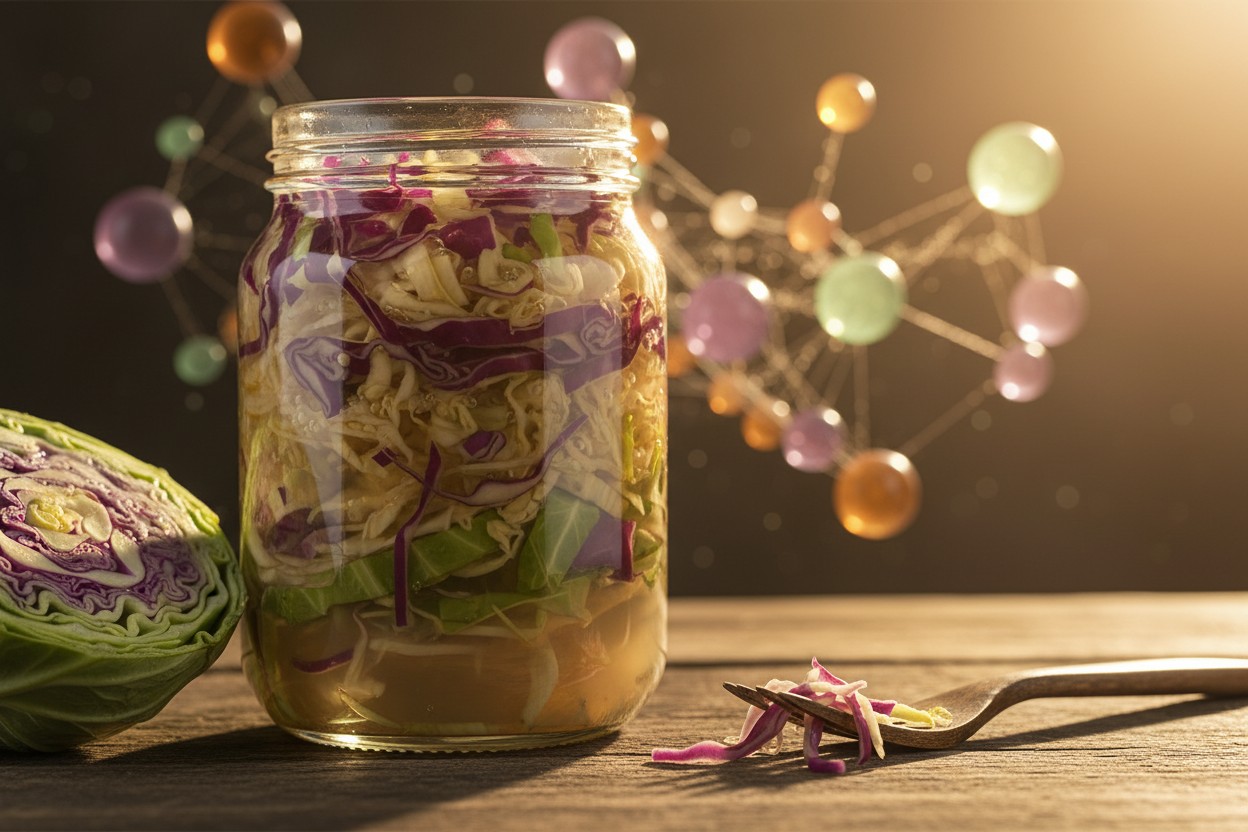
Homemade versions of fermented drinks allow control over fermentation time and ingredients, but require careful hygiene to avoid contamination. In an interview, a fermentation expert noted that preserving cabbage by salting and fermenting it for a few weeks is part of a broader set of skills that work synergistically with self-reliance and adaptability [9]. Molly Morgan’s book “Drink Your Way to Gut Health” provides instructions for home preparation of kefir, yogurt, and kombucha, listing tools such as pots, thermometers, and blenders [5].
Conclusion: Expanding the Palate for Gut Health
A variety of probiotic-rich drinks beyond kombucha are available, each with unique microbial profiles. According to a 2026 article on NaturalNews.com, incorporating options like kefir, lassi, and tepache can increase dietary diversity of probiotics [2]. A separate report on the gut-health elixir noted that a new wave of functional beverages, ranging from ancient fermented staples to innovative prebiotic sodas, offers a palatable strategy for nurturing the gut microbiome [11].
Further research continues to explore the health benefits of these traditional fermented beverages. The same report indicated that informed consumers and health professionals are looking beyond pills to the pantry for ways to support this complex internal ecosystem [11].
References
- Willow Tohi. “Sip Your Way to Better Gut Health with These Science-Backed Fermented Beverages.” NaturalNews.com. March 8, 2026.
- NaturalNews.com. “9 Probiotic Drinks to Nourish Your Gut and Boost Overall Health.” March 14, 2026.
- Dr. Mercola. “Fermented Foods May Be a Key Component of an Anticancer Menu.” Mercola.com. June 12, 2022.
- Ray Ramesh C. “Microorganisms and Fermentation of Traditional Foods.”
- Molly Morgan. “Drink Your Way to Gut Health.”
- Kavita Devgan. “Ultimate Grandmother Hacks: 50 Kickass Traditional Habits for a Fitter You.”
- Raquel Guajardo and Alex Lewin. “Kombucha Kefir and Beyond.”
- Whitney Bowe. “The Beauty of Dirty Skin.”
- Mike Adams interview with Jim Gale Bob. March 25, 2025.
- BrightLearn.ai. “Tonic Tales: A Global Journey Through Traditional Healthy Drinks.” May 21, 2026.
- NaturalNews.com. “The Gut-Health Elixir: Ancient Ferments Meet Modern Science in a Glass.” April 15, 2026.
- NaturalNews.com. “Sip Your Way to Better Gut Health with These Science-Backed, Fermented Beverages.” March 8, 2026.
Submit a correction >>
Tagged Under:
antioxidants, detox, digestion, fermented drinks, food cures, food is medicine, food science, health science, heart disease, heart health, immune system, Kombucha, natural cures, natural health, natural medicine, probiotics, remedies
This article may contain statements that reflect the opinion of the author
RECENT NEWS & ARTICLES